
The Governments of Papua New Guinea and Australia are working together to strengthen disability inclusion by improving referral pathways and access to assistive technology for children with disabilities.
This initiative responds to priorities identified by Inclusive Education Resource Centres (IERCs) during a national workshop held in Port Moresby February 2026, which highlighted the need for clearer systems to connect children to services and more consistent access to assistive technology.
The partnership focuses on two key areas: mapping referral pathways across sectors and developing a streamlined process for the procurement and delivery of assistive technology. Together, these efforts aim to address long-standing gaps in coordination, clarify roles and responsibilities, and ensure more consistent support for children.
Evidence shows that improving access to assistive technology requires more than increasing supply. It depends on strengthening the full system – from early identification and referral, to assessment, fitting, user training, and follow-up support. Without this continuity, children risk receiving devices that are not used effectively or do not meet their needs.
Assistant Secretary Arnold Koima from the National Department of Education’s Inclusive Education Unit said the initiative addresses critical system gaps.
“This work tackles two of the most pressing challenges we have faced over the years – how children are connected to services, and how assistive devices are delivered consistently. Strengthening these systems will help lay the foundation for more inclusive education outcomes across the country,” Mr Koima said.
IERC Coordinator Ludmilla Wakolen emphasised the importance of simplifying processes.
“We see the daily challenges families face due to limited access to assistive technology. There is a real need for a more practical, streamlined approach – one that makes it easier for children to be identified, referred, and supported with the right devices at the right time. This is essential for children with disabilities to learn and participate in mainstream schools,” Ms Wakolen said.
Australia’s support, delivered through the PNG–Australia Partnerships for Improving Education (PIE) program with technical assistance from Interplast Australia & New Zealand, aligns with PNG’s emerging policy frameworks. These include the Disability Services Act 2025, the National Rehabilitation and Assistive Technology Strategic Plan, and draft National Guidelines on Assistive Technology each demonstrating strong national commitment to coordinated and sustainable disability services.
Through this partnership, both governments are contributing to practical system improvements, including clearer roles, stronger coordination across sectors, and tested models for more consistent access to assistive technology.
The initiative will deliver an Assistive Device Resource Management Plan, a national Referral Framework, and a pilot program in selected locations later this year.
While targeted in scope, this work is expected to support longer-term improvements in how children with disabilities are identified, referred, and supported – helping ensure their full participation in education.
By strengthening systems today, Papua New Guinea and Australia are working together to ensure children with disabilities can access the services and support they need to participate fully in education and society.
END
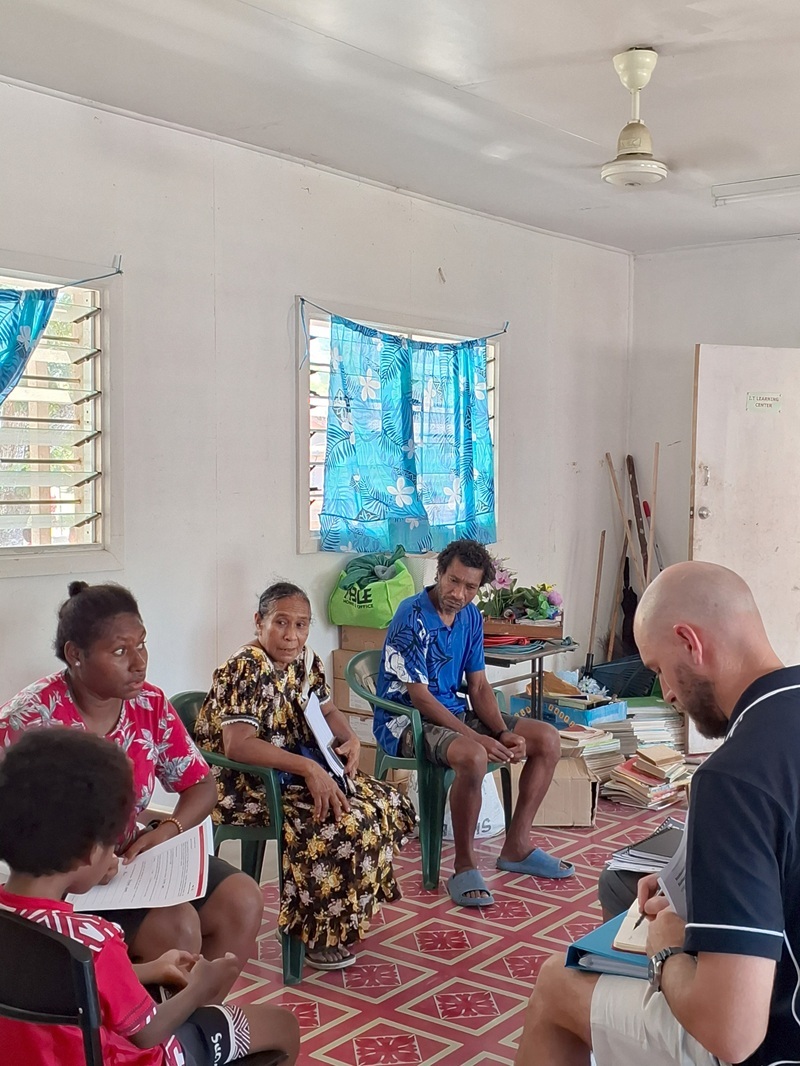
Members of Interplast Australia and New Zealand, PIE program and Inclusive Education Resource Centre visited schools for consultation and scoping.
For further information, including access to related materials, please contact the Australian High Commission media team: +675 7090 0100